- Guides Hub
You’ve agreed the deal. Now what?
A practical guide to what happens after agreeing a private sale.
What this guide covers.
Once a buyer and seller agree a private sale, the next step is making sure the transaction is ready to complete.
This guide explains the main things to think about before handover: confirming the details, knowing who you’re dealing with, arranging payment, preparing the paperwork and understanding what needs to happen when the sale is completed.
It is general guidance only and does not replace your own checks or any official steps you may need to complete.
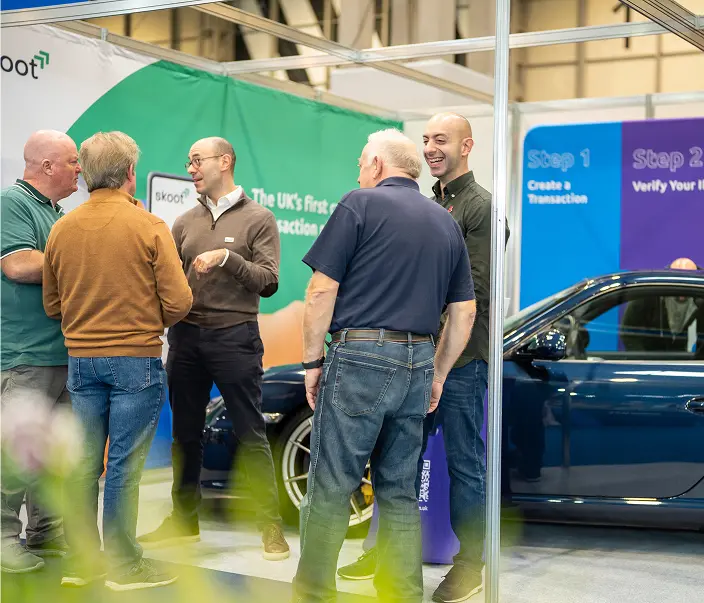
Agreed to buy or sell a car, motorbike or motorhome privately?
Before handover, both sides should be clear on the vehicle, price, payment, paperwork and what needs to happen on collection day.
- guides
After agreeing a private sale, focus on these steps.
Work through the Guides in order or go directly to the part of the sale you need help with.
01. Confirm the vehicle and agreed details
Before moving towards handover, both sides should be clear on exactly what has been agreed.
That includes:
- The vehicle registration number, make and model;
- The agreed sale price;
- The current mileage, or expected mileage at handover;
- When and where handover will take place;
- What is included with the vehicle, such as keys, documents, accessories or service history;
- Whether there are any notes or conditions both sides have agreed.
This helps avoid confusion later, especially if most of the discussion has happened through messages.
02. Be clear on who is selling the vehicle
Private sales often start through adverts, marketplaces, messages or phone calls. That does not always tell the buyer who is really selling the vehicle, or whether the seller’s details match the V5C.
Before completing a private sale, the buyer should be able to check that the seller is the person named on the V5C as the registered keeper.
In a traditional private sale, that can mean asking the seller for ID and checking it against the V5C.
Buyers are also often advised to be cautious if the seller wants to meet somewhere unrelated to the V5C address.
That can feel awkward, especially when two people are trying to keep the sale friendly and straightforward.
Additionally, the names and details used for the sale should be clear before handover, so both parties know who is involved and who the transaction record relates to.
03. Decide how payment will be handled
Payment is often the most stressful part of a private vehicle sale.
A large bank transfer at handover can create problems. Payments can be delayed, blocked by banking limits, flagged for checks or confused with screenshots and pending-payment notifications.
Before collection day, both sides should agree:
- How payment will be made;
- When payment will be arranged;
- What happens if the payment is delayed;
- Whether bank details need to be shared;
- Whether any deposit has been requested or paid.
Be cautious about relying only on screenshots, payment confirmations or messages saying money has been sent. These do not always prove that money has genuinely arrived.
04. Prepare the paperwork before handover
The buyer and seller should both understand what records they expect to have once the sale is complete.
In a private vehicle sale, this may include a sale agreement, a receipt, the V5C keeper-change process, vehicle documents and any handover notes agreed between the parties.
A basic sale agreement or receipt should usually make the main details clear, including:
- The vehicle registration number, make and model;
- The current mileage, or expected mileage at handover;
- The agreed sale price;
- The buyer’s name and address;
- The seller’s name and address;
- The date of sale;
- What is included with the vehicle, such as keys, documents, accessories or service history;
- Any agreed notes about condition, known issues or items included;
- Confirmation that both parties agree the sale has completed.
This does not need to become complicated, but the main details should not be left unclear or only recorded in informal messages.
05. Plan the handover
Handover is the point where the final checks, paperwork, payment and keys all come together.
Before meeting, both sides should be clear on:
- Where the handover will happen;
- What final checks the buyer expects to make;
- Whether the mileage is still as expected;
- Which documents, keys and accessories will be handed over;
- Whether the sale agreement or receipt is ready to review;
- What both sides need to do before treating the sale as complete.
If the buyer has not yet inspected or test-driven the vehicle, both sides should be clear that the sale is still subject to the buyer being satisfied before completion.
Payment should also be clear before the vehicle changes hands. In a normal private sale, the seller should not hand over the vehicle until the money is clearly visible and available in their own bank account. The buyer should also be careful about sending a large payment and then agreeing to leave or postpone handover while the payment is still pending.
For a more detailed final-day list, see the Handover Checklist.
06. After completion, there are still practical steps to handle
Once the sale has been completed, there are still practical steps that need to be dealt with.
The seller needs to tell DVLA that the vehicle has been sold, and the buyer needs to make sure the vehicle is taxed and insured before driving it.
These steps sit outside the payment itself, but they are still an important part of completing a private vehicle sale properly.
In a typical private sale, buyer and seller are often left to manage these steps between themselves, along with payment, paperwork, keys and handover.
That is why it helps to have the main transaction details clearly recorded before completion. The signed sale agreement and receipt should show the key details of what was agreed, while the buyer and seller deal with the DVLA, tax and insurance steps.
- How Skoot helps
After you’ve agreed the deal.
Skoot is designed for buyers and sellers who have agreed, or are close to agreeing, a private vehicle sale.
It brings the key parts of the transaction into one clear process: identity verification, payment before handover, transaction documentation, completion and the steps both parties need to understand around DVLA keeper change.
With Skoot, the buyer can see the seller’s ID-verified name and address, helping them compare those details with the V5C registered keeper details before completion. The buyer prepares payment before collection day, the seller is notified once the money is with Skoot, and the seller’s bank details are not shared directly with the buyer. That means neither side has to rely on a same-day transfer, screenshot, pending-payment message or unclear promise at handover.
Both parties can review the transaction documentation before handover. Once the sale is complete, Skoot sends the agreed payment to the seller’s verified account, and both sides receive a receipt and a copy of the agreement as a clear record of the transaction.
Skoot does not replace the buyer’s own vehicle checks, insurance responsibilities or official DVLA steps, but it helps both sides understand what needs to happen and when.